How to fight aerial surveillance?
Drones of the future are now taking off without requiring permission
The eye in the sky may patch you up, hunt you down or at least watch you out
 Lucian Davidescu
in Bucharest
On a scorching afternoon this past summer, an internationally wanted drug trafficking fugitive hoped nobody would notice if he stepped out onto the balcony of his Transylvania penthouse to cool off in an inflatable pool.
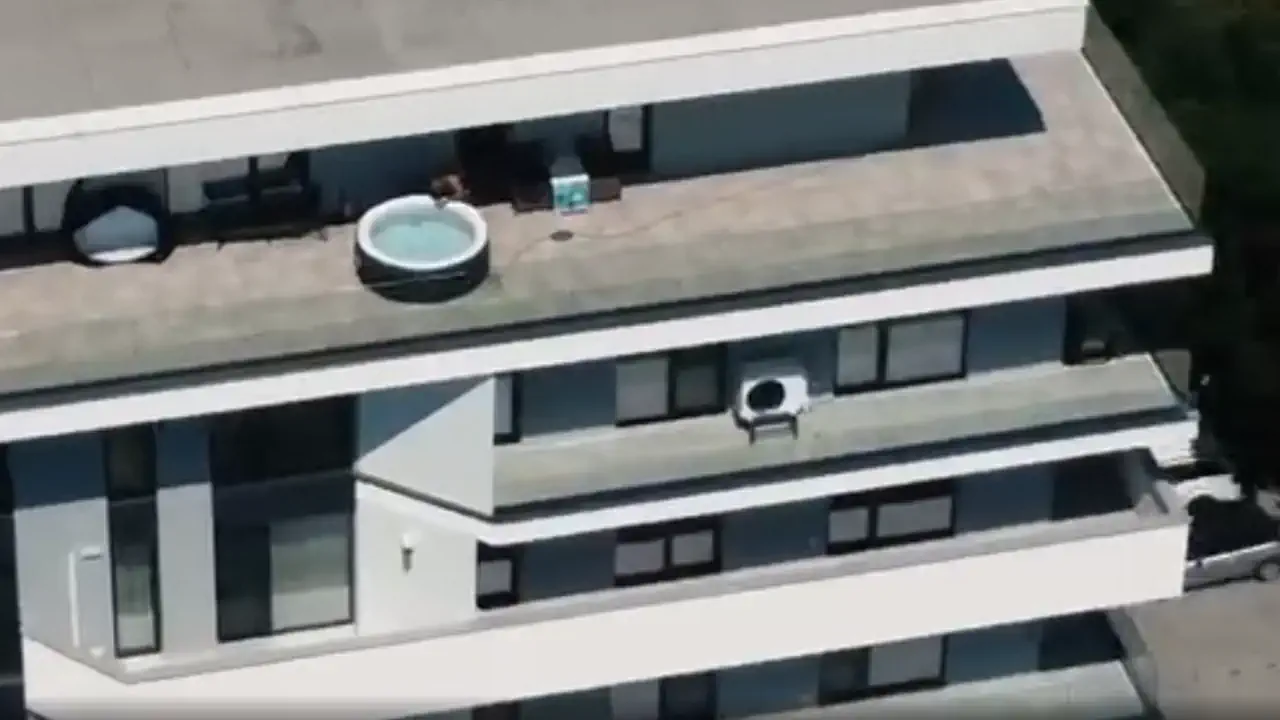
A drone noticed. Minutes later, police knocked down his door, bundled him up, and sent him packing back to Germany – as local outlet Foaia Transilvana reported at the time.
Drones have been standard issue for years now in Romanian police manhunts, firefighter rescue operations, and mountain rescue missions. The tally of lost hikers and accident victims found this way is already in the dozens, according to reports. But the technology has only shown a sliver of its potential – and the longer-term risk of drones morphing into mass surveillance tools is closer than it looks.
For now, artificial intelligence is driving a genuinely useful shift: Drone as First Responder (DFR), a system that relies on automated field signals. The drone takes off on its own or is already patrolling, using thermal imaging or even facial recognition to flag alerts to human operators. The upshot: faster response times, and fewer staff needed to keep eyes glued to monitors around the clock.
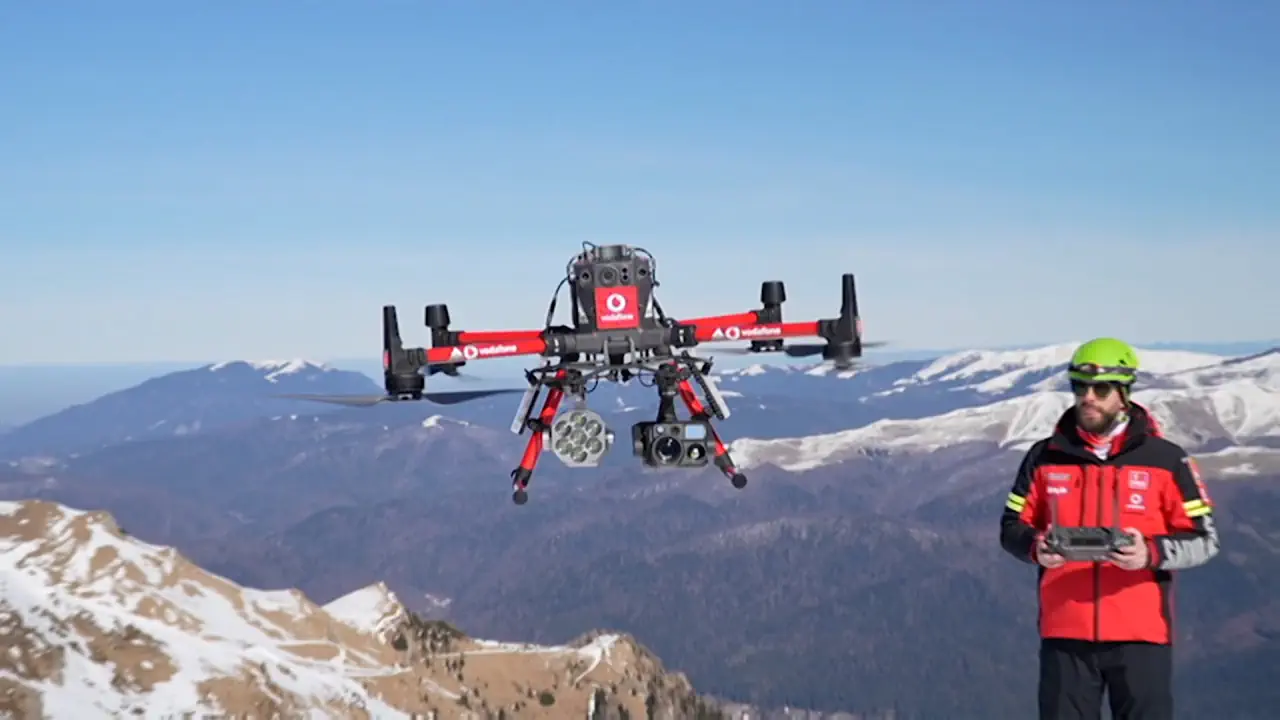
The tech is already deployed in search-and-rescue work, as well as guarding industrial sites and farmland, while broadband connectivity via 5G or Starlink is turning these eyes in the sky into an omnipresent fixture. There's no consolidated market data yet, but a Forbes analysis predicts a phase of "accelerated growth" ahead.
How High Can It Go?
We took the market's temperature this year at the Security Fair at Romexpo, specifically hunting down drone suppliers.
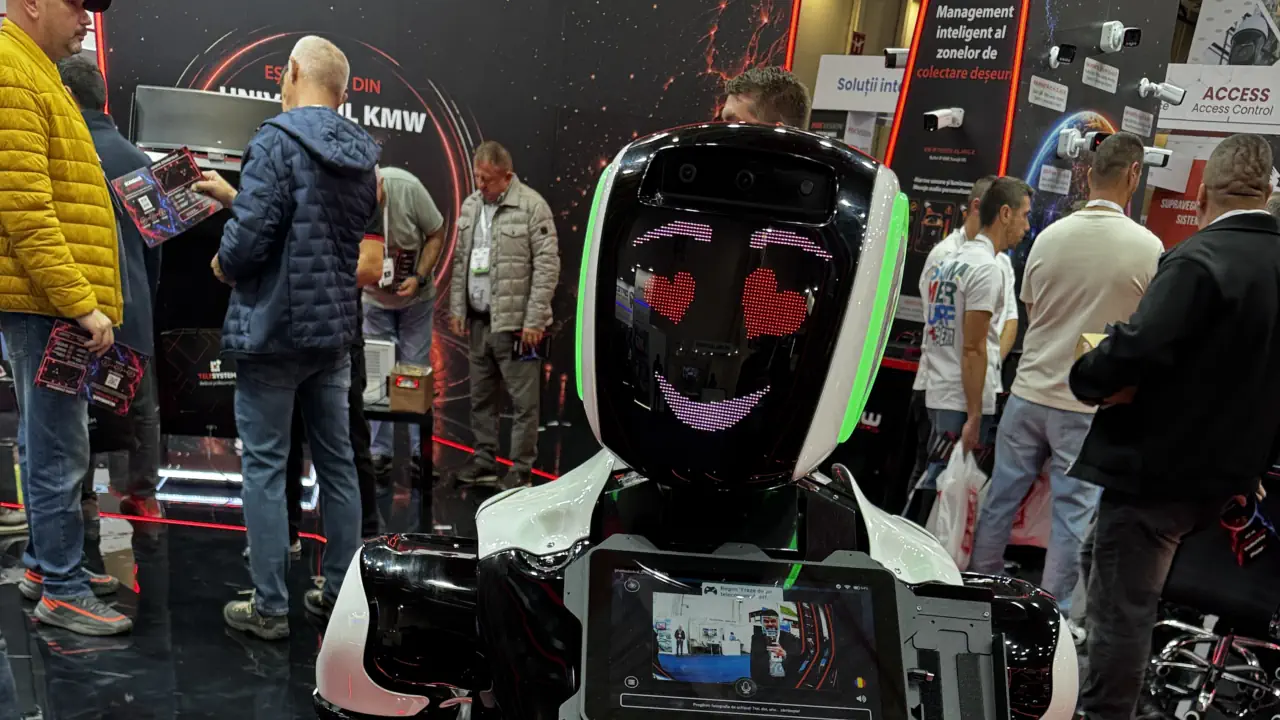
There were fewer than expected – just two with hardware on display, plus two more who carry drones in their catalogs, one of whom asked to stay out of the press, a request we've honored. Worth noting here: this is not sponsored content, and Standard never receives compensation for coverage. The other three you'll meet below.
"A single pilot can control up to eight drones, and the task can be handed off from one to another," says Valentin Grigore, Technical Lead at DFR, pitching his wares.
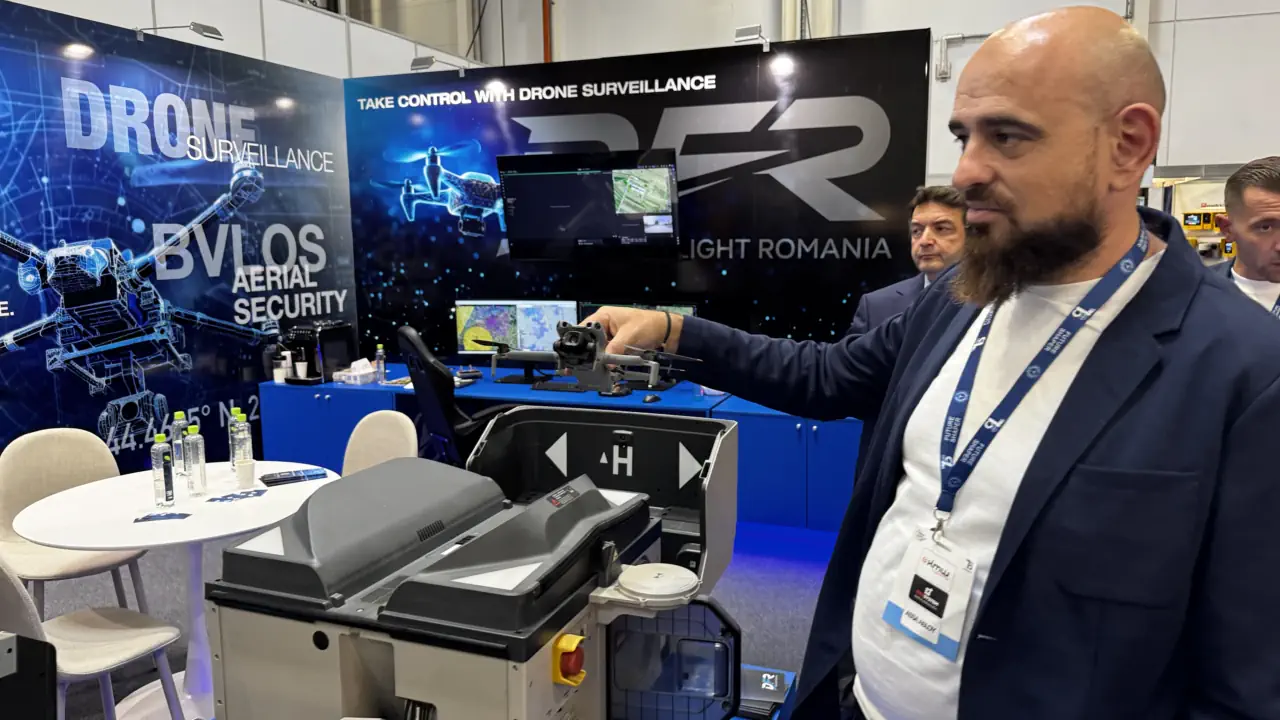
According to Grigore, when it comes to search and rescue, drones serve a whole range of purposes – spotting victims, dropping medical supplies, or lighting up a site so rescue teams can see what they're doing, essentially acting as a floodlight.
But drones already have less crowd-pleasing uses too. "People go hunting with drones now. No need for beaters anymore," Grigore notes.
Typical prices for professional drones start at around 5,000 euros and can exceed 30,000 euros. They are most often purchased by clients in agriculture, forestry, energy, industry, logistics, security, and public services. They usually have a range of around 10 km when controlled by radio, but this becomes practically unlimited if cellular networks or relays distributed across the territory and connected to fiber or satellites are used.
Somewhat surprisingly, the surge in demand fueled by the war in Ukraine hasn't made drones harder or pricier to source. "Supply has stayed normal, nothing's changed," explains Mircea Antohi, technical director at Skygrid.
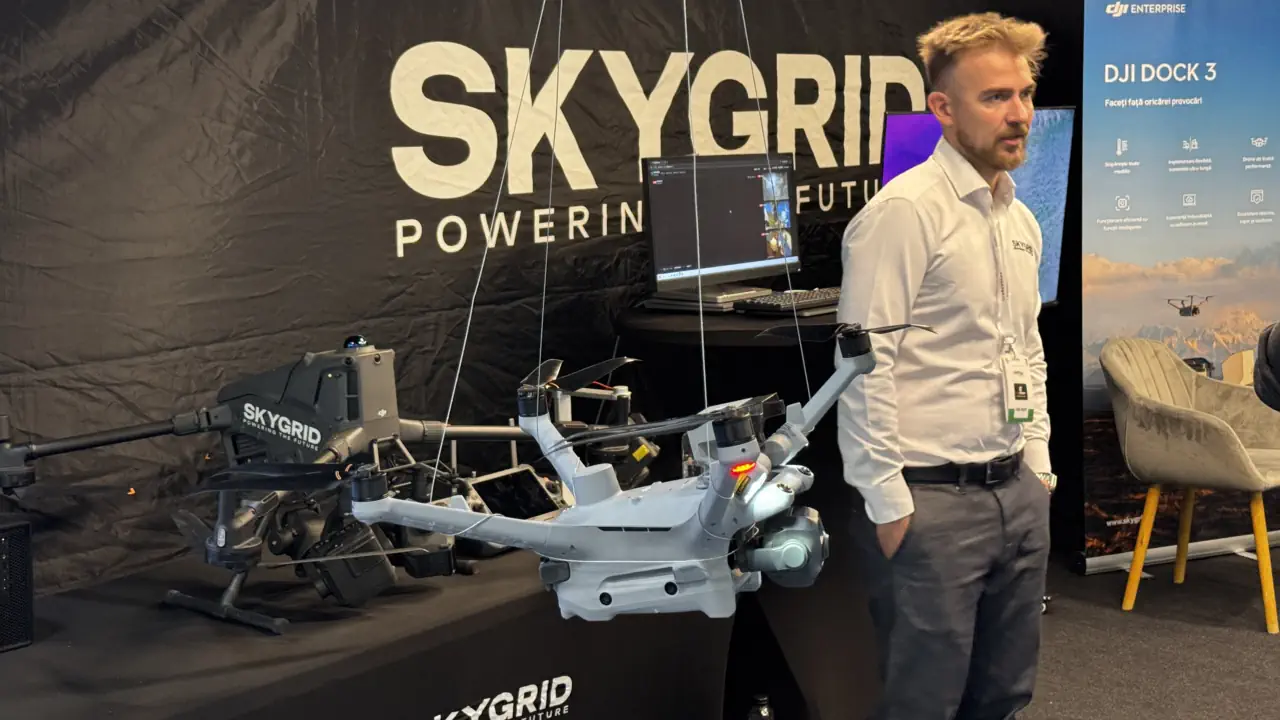
He adds that, in principle, pretty much any drone can pull dual duty – civilian and military. "The buyer gets to decide what they want to mount on it," Mr. Antohi says.
Can I Just Throw Pickle Jars at It?
As with any "weapon," countermeasures exist against drones — but most of them, from electronic jamming and electromagnetic pulses to straight-up physical takedowns, are tightly restricted to authorities and flat-out illegal for civilians.
So how do you defend yourself against a drone? In some settings they're a genuine hazard – airports, for instance – and that's where military-grade systems come in. Elsewhere, the issue is more about nuisance or property damage.
"The main danger is people showboating. There have been incidents at wind farms where people flew drones for kicks and got them tangled in the blades," says Cătălin Dumitriu, a sales consultant at Dahua, a supplier that does carry drones but focuses mainly on counter-drone protection systems.
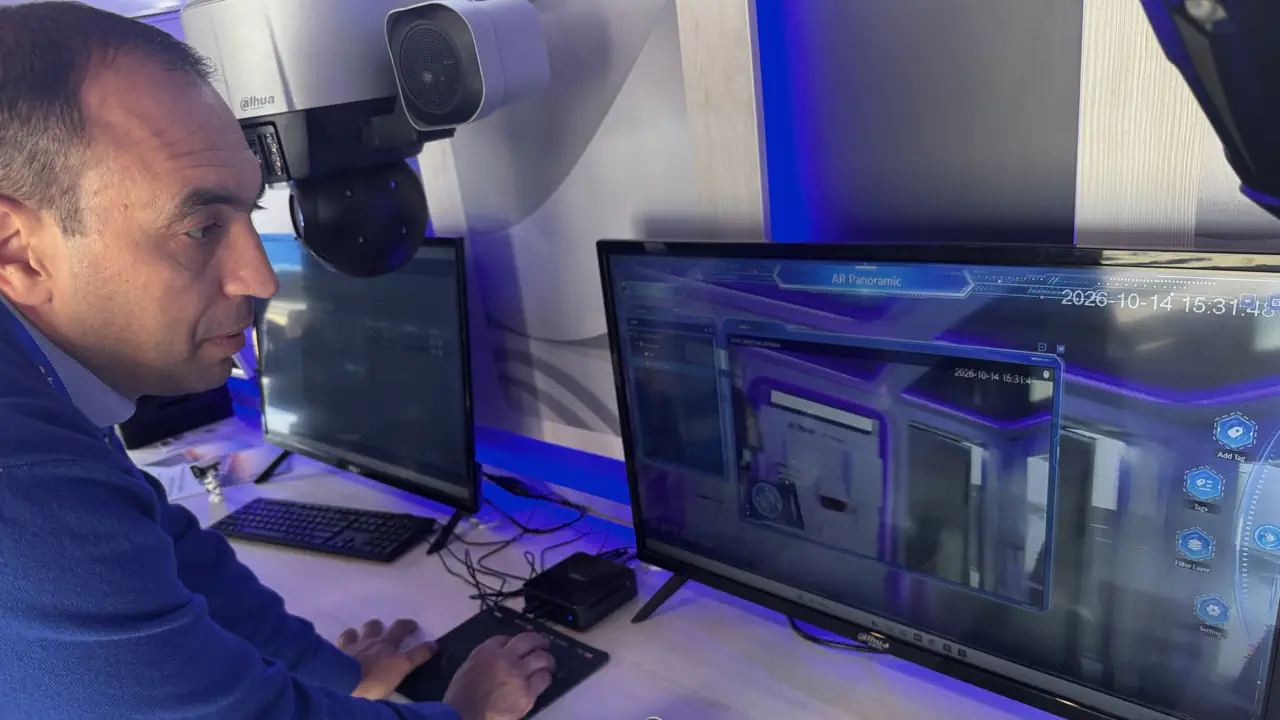
Civilian radar, optical sensors, thermal and acoustic detectors are all fair game legally. Once an alert comes in, the client can take privacy precautions and notify authorities. The real game-changer – now possible thanks to newer tech – is pinpointing the exact location of the drone operator based on radio signal analysis, Messrs. Dumitriu and Grigore explain.
The Privacy Risks
The global leader in this space is the US, where the past year and a half has seen an explosion in the number of government agencies cleared to run autonomous flight operations.
And that's also where the loudest pushback is coming from: the Electronic Frontier Foundation (EFF) is sounding the alarm that such programs are normalizing persistent aerial surveillance capable of filming backyards, rooftops, and the inside of homes without people's knowledge — and that real-world use frequently goes well beyond the high-risk scenarios vendors use to sell the tech.
The organization is calling for purchasing decisions to rest with local communities, with full transparency on flight paths and the rationale behind each mission, clear usage policies, and periodic reviews that would allow programs to be shut down.
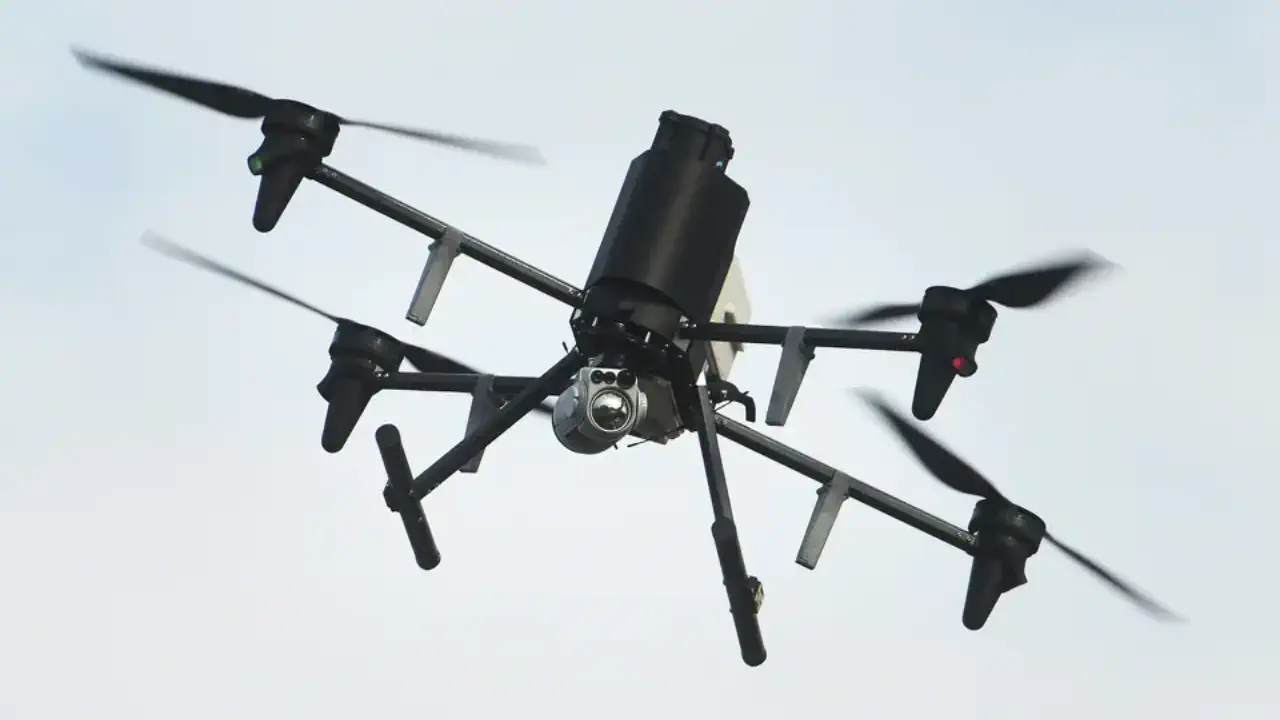
In the US, drones have recently been put to work reading license plates, alongside the already-controversial Flock fixed cameras, which many cities have already chosen to rip out. The data gets funneled through and managed by private operators like Palantir, the company backed by billionaire Peter Thiel.
Drone School
In Timișoara, the Polytechnic University launched a new English-language undergraduate program this year called "Drone Engineering and Aeronautical Informatics," according to Curs de Guvernare. Students will work through foundational subjects like math, physics, electrical engineering, programming, 3D modeling, and aerodynamics, before moving on to specialized fields such as flight dynamics, propulsion systems, automation, sensors, control systems, machine learning, computer vision, and artificial intelligence.
Timișoara's Polytechnic already has a track record in this kind of research. For instance, a study published this year shows how drones could become significantly safer and more autonomous thanks to a new on-the-fly machine learning algorithm that runs in the background without bogging down the system. This technology lets flying devices adapt instantly to unpredictable conditions or serious technical failures – like a damaged propeller – adjusting their behavior in real time straight from flight data, with no need for complex, pre-built mathematical models.