What are Romania's hydro resources
Scarce or dirty water? Short of a few billion euros, we might need to take a pick
The village where even a king goes alone shows how to deal with sewage
 Lucian Davidescu
from
Bucharest
about
Brasov
Ten years after the ill-fated Brexit referendum, a foundation chaired by King Charles III – one bearing the name of a Romanian poet, no less – has just picked up a symbolic €20,000 prize from the European Commission for building a water treatment system in a Saxon village tucked away in Transylvania.
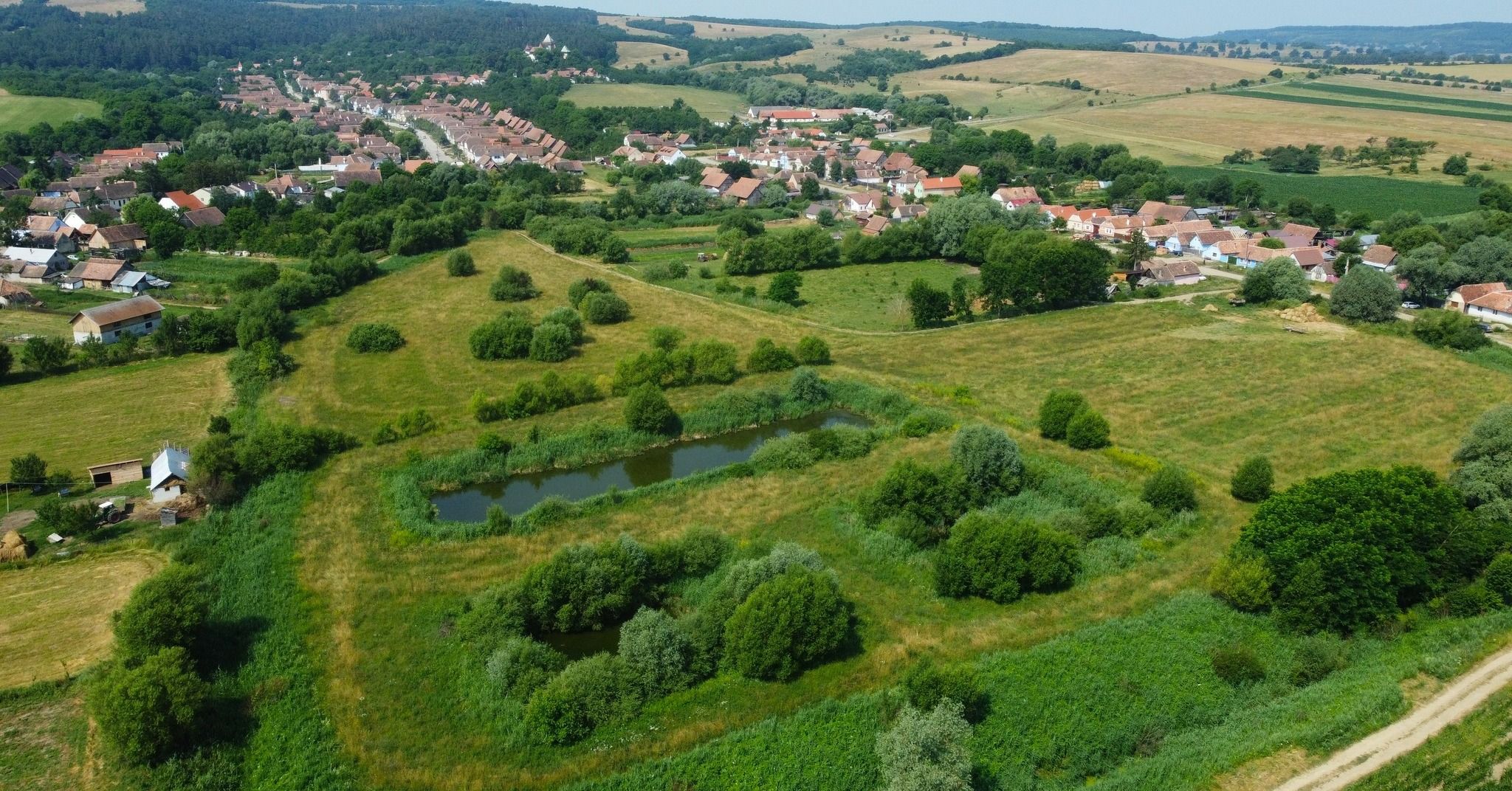
The village is Viscri, near Brașov: 400 souls, in some 200 once derelict houses, and a UNESCO-listed fortified church. The place shot to fame two decades ago when the then-Prince Charles bought one of his ten Romanian rural properties there.
The foundation that got the prize, Mihai Eminescu Trust, was originally set up in Britain in 1987 to preserve traditional villages, before putting down roots in Romania in 2000 under the patronage of the then-Prince of Wales.
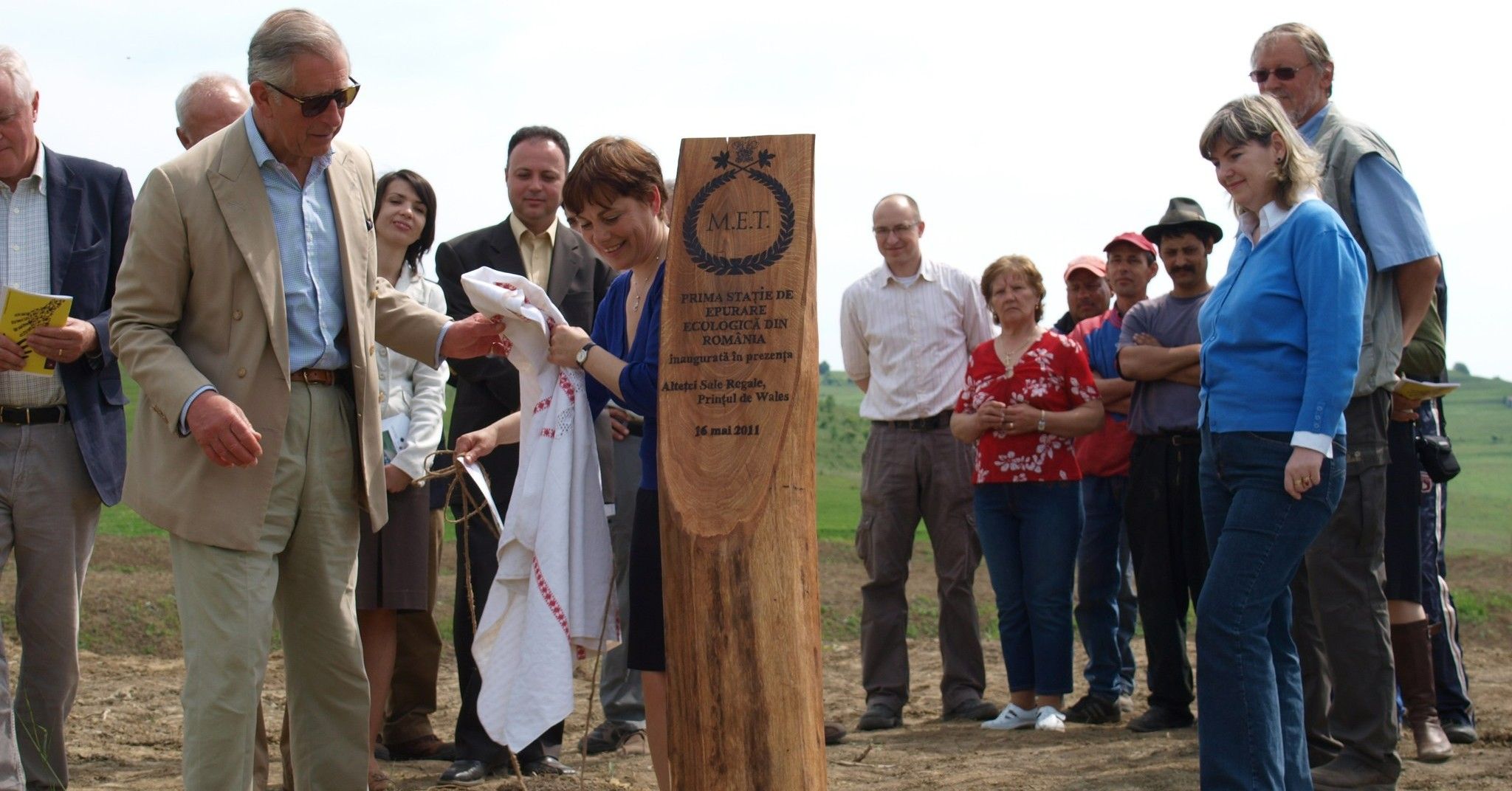
The water treatment system itself is entirely natural, requiring no electricity, modelled on similar set-ups in Western Europe. It went live in 2011, after a decade-long slog through red tape.
The "innovation" being honoured here was, essentially, sheer grit: getting the thing built at all in a country where, even today, 40% of homes aren't connected to a sewage network, and 15-20% don't even have an indoor toilet.
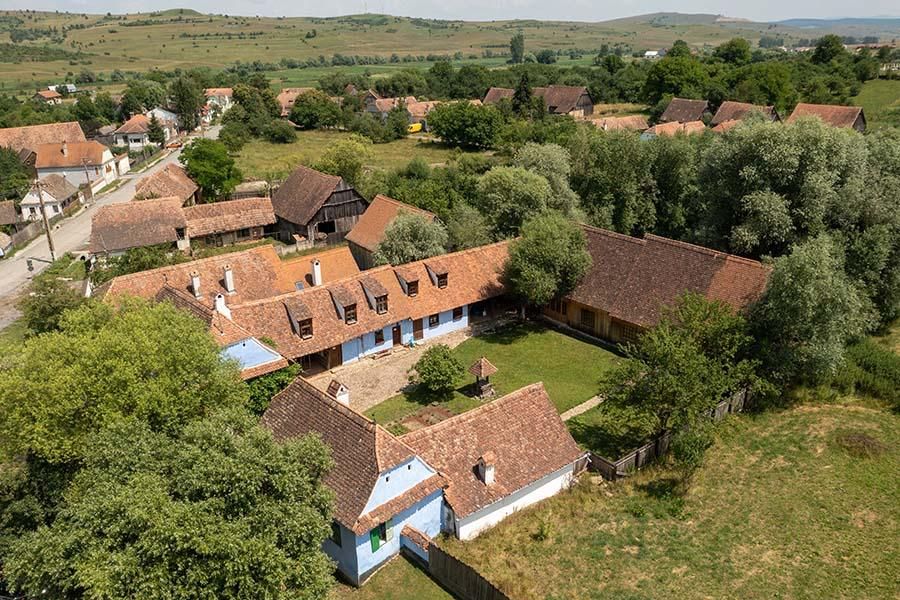
Back in the '90s, when Charles first visited Romania, things were even grimmer. The Viscri house set him back a mere €15,000 – some others were going for as little as €5,000 – but the plumbing was utterly unprincely. Renovations, bathrooms included, swallowed another hundred grand. A similar house nearby is now on the market for nearly half a million euros.
That's the micro story, and the macro one tracks it closely. As Romanians got richer, they built new houses or retrofitted bathrooms into old ones. The share of households relying on outhouses – roughly 50% at the fall of communism – has dropped to about 15%.
Progress on sewage networks, though, has crawled along at a much slower pace: the share of unconnected households has only fallen from 65% to 40%. The remaining quarter, in effect, depends on septic tanks of varying degrees of eco-friendliness.
Wastewater treatment paints an even bleaker picture. It was only this January that Bucharest started discharging fully treated water into the Dâmbovița river; as recently as last year, 30% skipped the biological treatment stage entirely. Romania is currently facing an infringement procedure from the European Commission because 150 cities and towns with populations over 10,000 aren't treating their wastewater properly.
Water as a national project
Money, quite simply, is in short supply. The water industry – both supply and treatment combined – is estimated at €1 billion a year, less than a quarter of what's actually needed to close the gap with the rest of the EU within our lifetimes.
Required investment tops €30 billion, according to Ilie Vlaicu, head of the Romanian Water Association (ARA). Currently, ongoing investments under various multi-year projects amount to just €7 billion.

"Romania doesn't have a bigger, more legitimate business opportunity than our water sector, it can genuinely drive economic development. We could turn this into an engine for the entire national economy," says Vlaicu.
But beyond the funding gap lies another problem: scarcity. This year has been marked by an unprecedented drought, one severe enough to shut down the reactors at the Cernavodă nuclear plant for nearly four months. There's also a less visible crisis unfolding: groundwater levels are dropping.
"Groundwater is in continuous decline across Europe, and according to the studies we've reviewed, Romania is no exception – we're sitting somewhere between orange and red alert by European standards. We'll need to completely rethink a water supply system that currently relies exclusively on deep underground sources," Vlaicu warned last week at the World Water Congress.
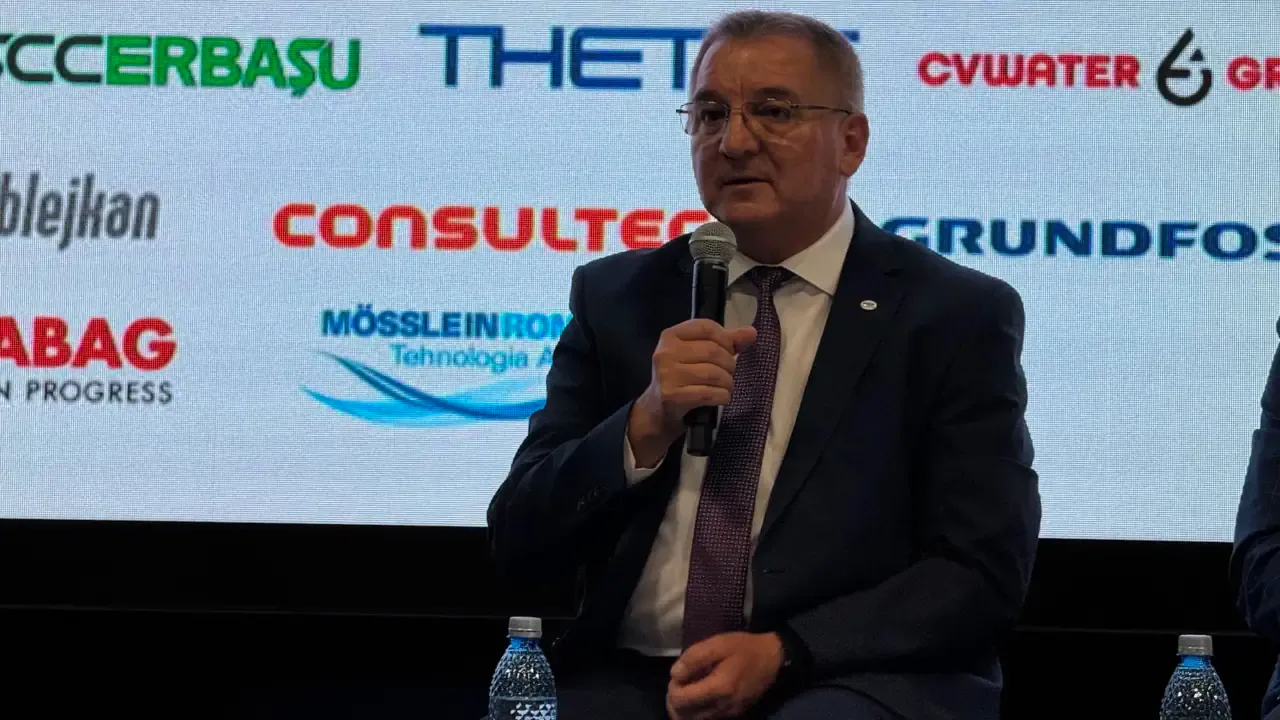
"Rivers are down to a third of their usual flow, reservoirs are sitting at 60-70% capacity. This is a hydrological crisis without precedent... There are already localities running out of water, and that could spark social unrest," he said a month earlier at ExpoApa, a major water industry trade show.
Where things stand
Romania is grappling with both an infrastructure crisis and a governance one, says Professor Daniel Constantin Diaconu, a geographer and hydrologist who recently launched a book, "Strategic Plan for Romania's Water Security," at the University of Bucharest's Faculty of Interdisciplinary Studies. In it, he proposes a target: by 2035, every community in Romania – urban or rural – should have "safe, continuous and affordable" access to water and sewage services.
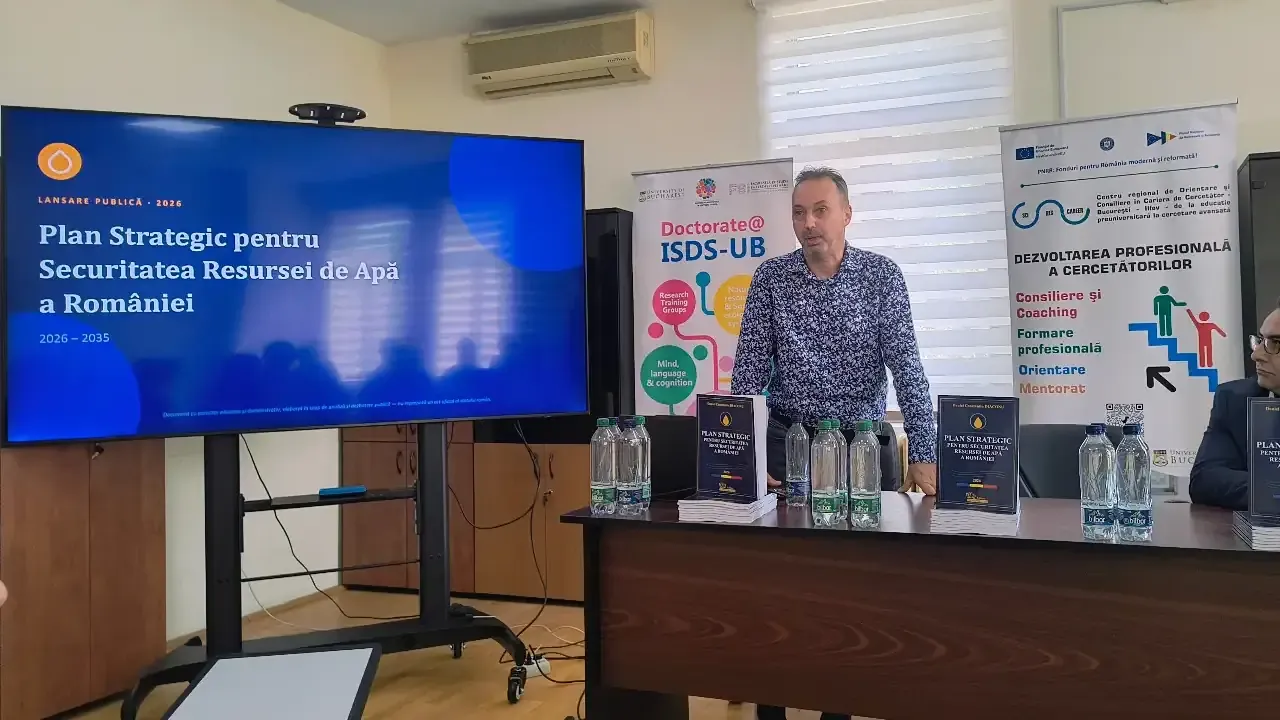
"Let me be blunt: water is becoming a matter of national security (...) We are not a country blessed with limitless water resources, the kind of abundance that lets us squander it – whether in quantity or quality. We need to come to terms with that," Diaconu said, according to G4Media.
Romania's theoretical water resource potential stands at roughly 135 billion cubic metres a year, but only a quarter of that is actually considered usable, according to hydrological sector planning documents. Of the total, around 85 billion cubic metres come from the Danube, 40 billion from inland rivers, and 10 billion from groundwater.
But that apparent abundance is deceptive: usable resources, Danube included, work out to roughly 2,660 cubic metres per capita annually – well below the European average of around 4,000 cubic metres. What's more, the trend is downward, driven by climate variability and mounting consumption pressures.
How others are faring
King Charles passes through Transylvania far less often these days, busy as he is minding the throne, but Britain is wrestling with strikingly similar troubles. Even the sort of rain Britain is famous for hasn't been enough to stave off a drought that's the worst in over 200 years and surfaced WW2 wrecks, according to recent reports.
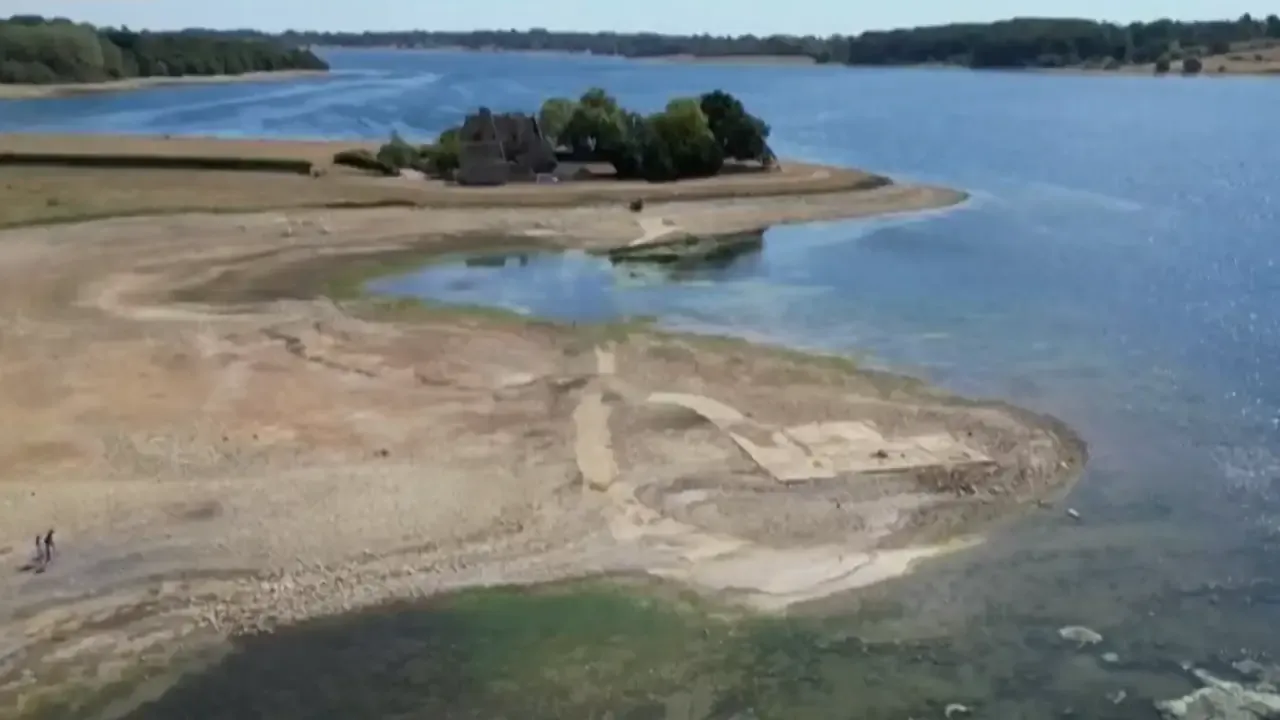
Agricultural irrigation has already taken a hit, gardening is next on the chopping block, and the "new normal" increasingly looks like cutting back on water use across the board.