DebateHow can manufacturing output more added value
The long march from «made in Romania» to «innovated in Romania»
Here's the true reason Polish organizers brought Ryan Reynolds to Bucharest
 Lucian Davidescu
in Bucharest
American actor Ryan Reynolds – known for schmaltzy comedies and wisecracking-antihero action flicks – recently swung through Bucharest for a sit-down chat with TV anchor Andreea Esca. Turns out Mr. Reynolds runs a lucrative side hustle doing exactly this sort of thing, and he doesn't come cheap: half a million to a million dollars a pop for appearances like this one.
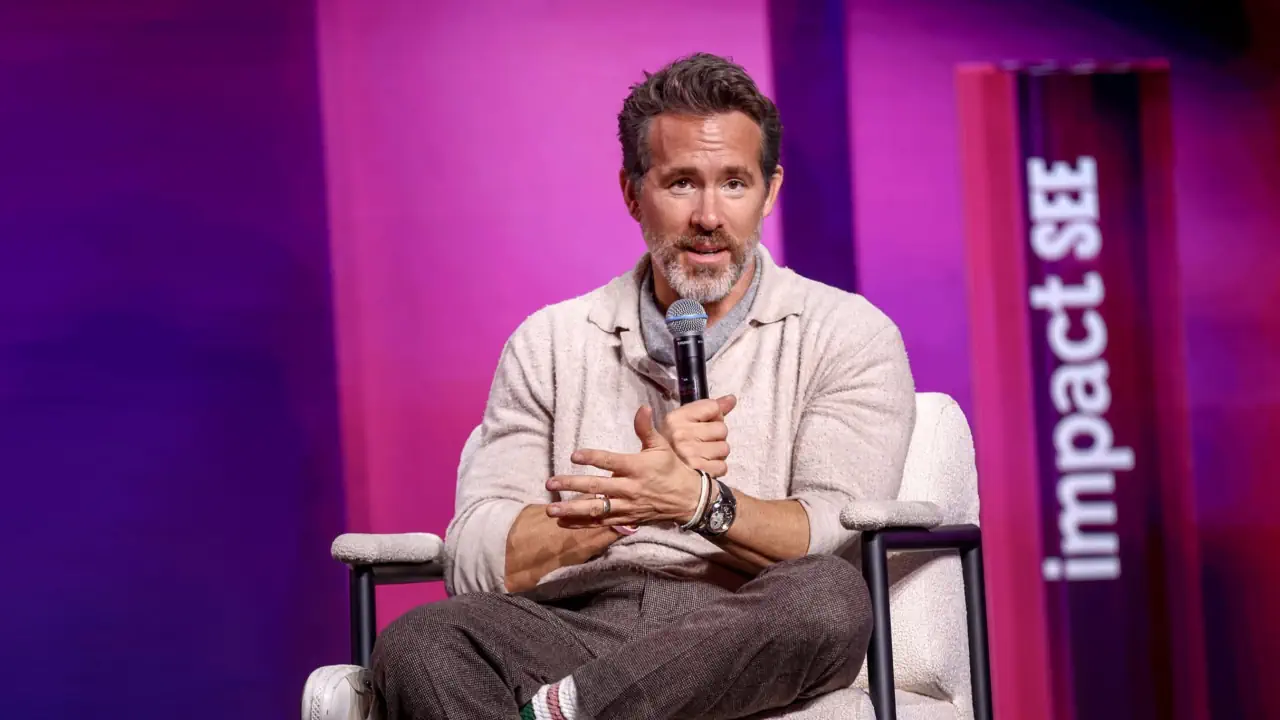
Everyone covered what was said: "creativity, as seen through an entrepreneur's eyes," plus the usual grab-bag of inspirational, aspirational, motivational fare. Cynics have their own names for this kind of booking, the politest of which is "waste of time".
But nobody bothered to explain why he was actually there.
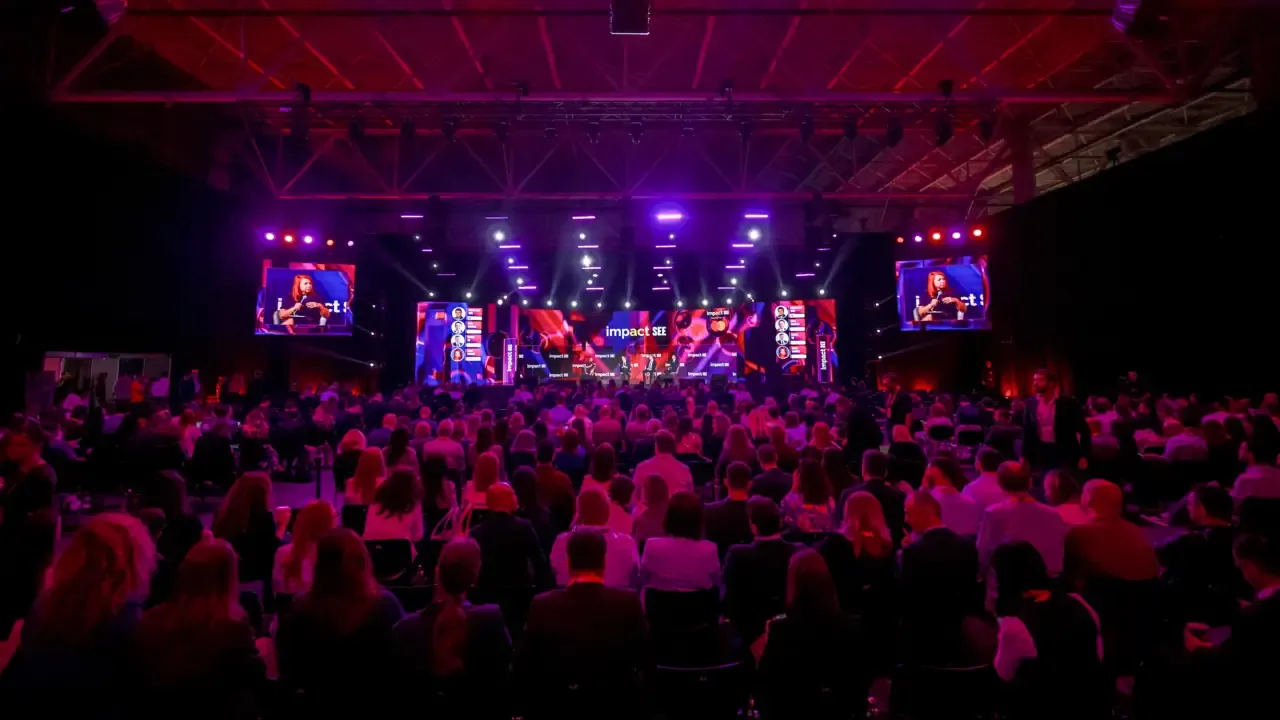
Romania is prosperous enough these days to sell enough $600 tickets to fill a hall – but also significant enough that organizers decided, for the third year running, to transplant Poland's formidable IMPACT economic-diplomacy concept to Bucharest.
The event was a lot: ambitious in scope, heavy on detail, impressively put together. Organizers managed to get heads of state, investors and experts from across the Balkans around the same table, following a playbook already road-tested in Poland. So where does a guy like Ryan Reynolds fit into all this? On paper, nowhere. In practice, perfectly: his job was to keep energy and attendance up on day two, when crowds typically start thinning out and interest wanes.
That, in a nutshell, is the lesson Poland has for Romania. We'll be in their league once we learn to mobilize the way they do.
Where things stand
Romania's economy has shot up like a fairytale hero over the past quarter-century, and for the last five years it's been unambiguously a high-income country. And yet something still feels off: plenty of people don't feel that growth in their own pockets, and there's a lingering fear that this newly-won prosperity could get wiped out overnight by the next economic storm. Inequality, meanwhile, keeps whole regions mired in underdevelopment and poverty. That $600 ticket price is more than the minimum wage, and more than the average pension, too.
Yes, Romania has narrowed the gap with the EU. But over the same stretch, the EU itself has been bleeding competitiveness. What it has kept, though, is a deep well of capital, something Romania still sorely lacks. Against this backdrop, concepts that were gathering dust until recently are suddenly buzzwords again: domestic capital, reindustrialization, made-thought-and-invented in Romania.
This piece tries to stitch together a debate built from five separate events over the past month and a half, all but one of which this Standard reporter attended in person. Conversations about water, transport, economic sentiment, innovation, trade diplomacy. No matter the topic, they all kept circling back to the same question: how can Romania get more competitive and start standing on its own two feet, economically speaking?
The upside of lagging behind
If you had to rank Romania's most competitive industries on the European stage, road freight transport would probably take the podium. With roughly 5% of the continent's freight market, Romania punches well above its 2%-of-EU-GDP weight class. Lower wages helped, sure, along with a certain willingness to cut corners on regulation; but so did the know-how accumulated – and reinvested – by former truckers who came home to build their own fleets.
Amid the buzz of this year's Translogistica trade show at Romexpo, a handful of industry specialists dig into exactly this dynamic in front of a small audience. Naturally, the conversation circles back to the country's competitive prospects.
"Western Europe's economy is clearly stronger than Romania's, but not everything over there actually works (...) Romania ends up making these leaps that put it ahead of other economies. One example: we got fiber optic before everyone else because we never had traditional cabling, we didn't have time to build it. Now we're getting Battery Energy Storage Systems because we didn't have time to go through all the intermediate technologies", says Matei Ladea, a co-founder at Omnia Ventures.
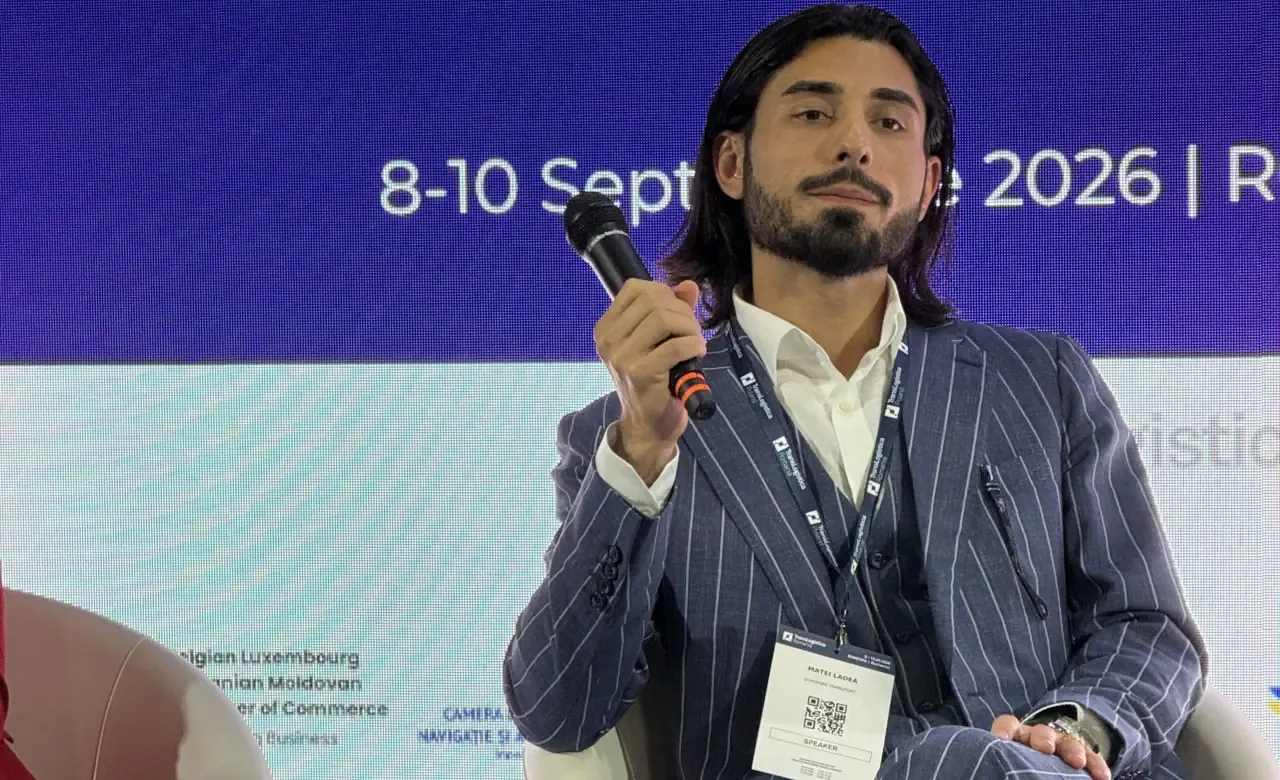
Mr. Ladea's claim to fame came with made-to-measure suit brand Sarto and his fund now mainly runs international road freight company Dumagas. By training, he's actually a political scientist.
Time to stand on our own two feet?
An hour and 100 meters away, at Expo Apa, Cristian Erbașu, head of the Confederation of Romanian Entrepreneurs and Investors (CAIR), stirred up a storm with a line that media outlets would spend days chewing over.
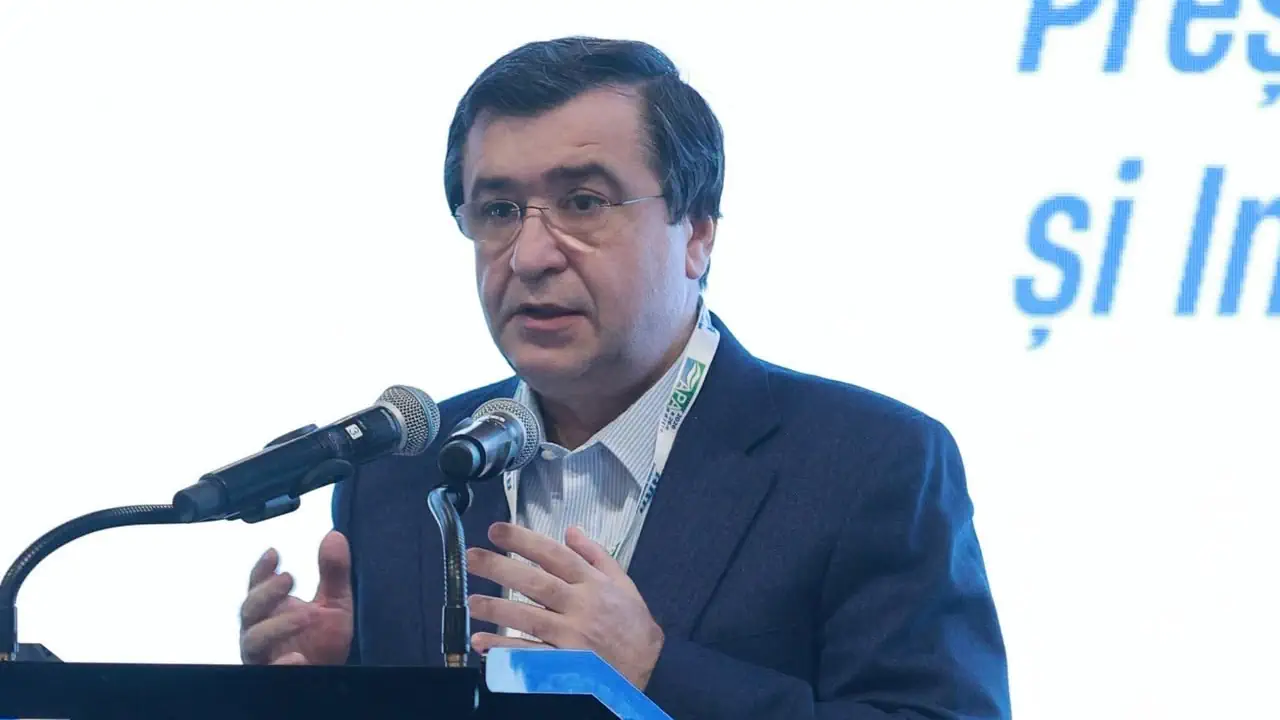
"For 30 years, all we've talked about is EU funds. We need to understand that we have to get ready, put in the work, make investments we've planned ourselves, not ones dictated to us from Brussels. For that, we need to know how to plan them, how to fund them ourselves, because sooner or later either we'll need to come up with massive co-financing – these tiny co-financing shares won't fly anymore – or we'll need to make serious investments, especially the kind that complete the whole investment picture. Brussels has covered the basics, the necessary stuff, but there's a lot more investment we need to make to close the loop. And that, we have to do ourselves, with our own resources, not just loans," Mr. Erbașu said.
As it happens, Erbașu Construct's company just opened a plant near Bucharest that processes construction and demolition waste. The investment was funded through Romania's Recovery and Resilience Plan (PNRR) with EBRD co-financing, and it runs on IoT tech that automates and digitizes over 70% of the operational flow.
Ready to be weaned off?
Dan Șucu, head of the Concordia Employers' Confederation, sees more nuance here. Romania does need to chart its own course, but still in close step with Brussels.
"Cohesion funding (...) built the roads, railways and utilities behind these factories. Romania didn't grow alone: German, French and Dutch companies came in to invest and grew alongside us, in manufacturing, automotive, banking and retail. (...) Do we still need cohesion? Absolutely, no question. The next phase needs to take us from 'made in Romania' to 'created in Romania.' That's how we build an economy of the future, one that makes Europe more economically secure and better able to rely on its own production."
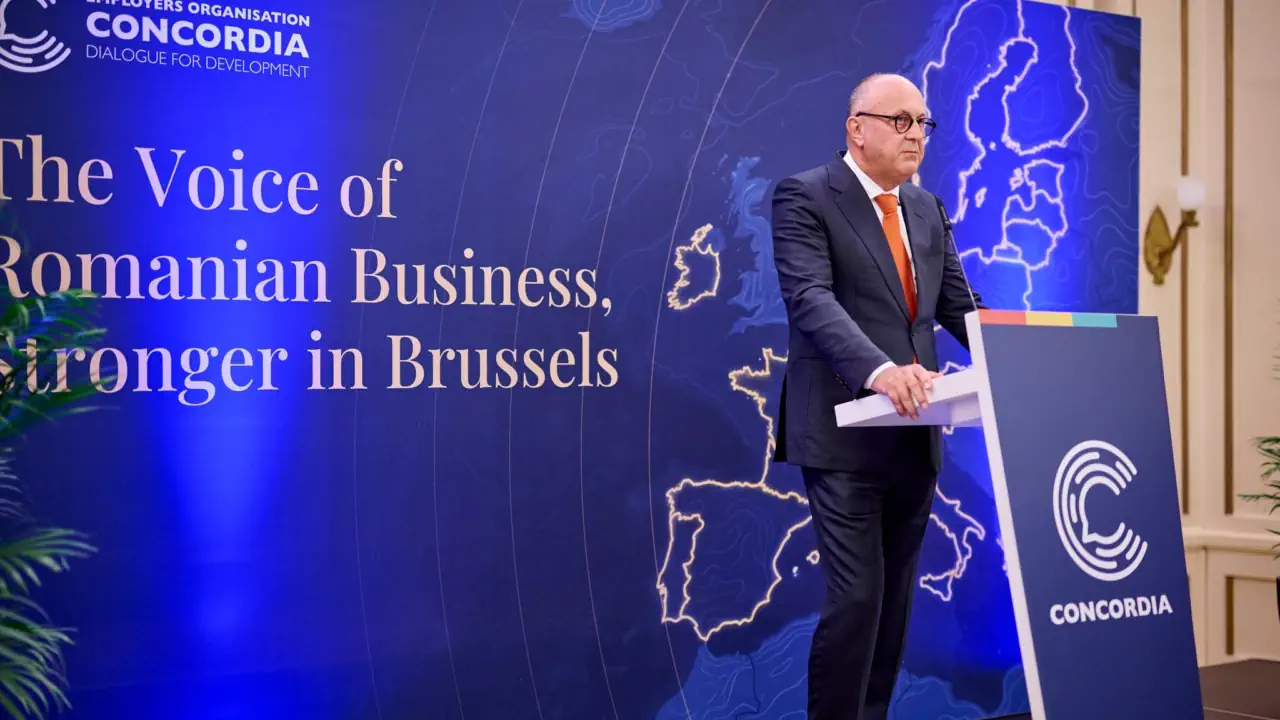
Mr. Șucu delivered this message last week at the European Forum for New Ideas (EFNI) in Poland. That same day, he opened a permanent Concordia office in Brussels.
What's holding us back
Florin Jianu, head of Romania's National Council of SMEs, is on the same wavelength. "Maybe for 'Made in Romania 2.0' we should be saying 'Created in Romania': not just made in Romania, but 'innovated in Romania,' 'thought up in Romania,' 'created in Romania' — because all of that, really, is what generates added value," Mr. Jianu said at the "Made in Romania" conference hosted by Gândul.
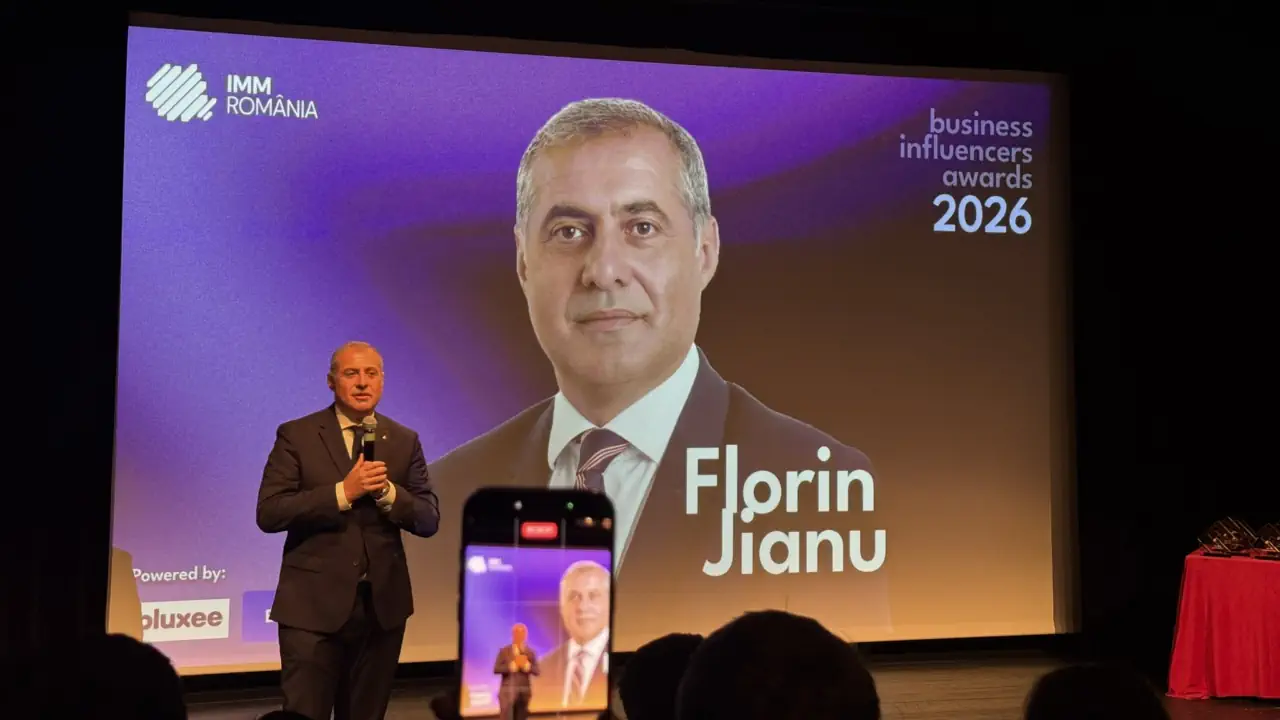
On other occasions, though, he's warned the outlook right now is pretty grim. "We're seeing more and more companies exit the economy. That's been the trend for the past two years already, and it tells us entrepreneurial spirit is slowly, sadly, fading. Instead of more people entering the economy – more young people buying into entrepreneurship and seeing it as a real career path – we're actually seeing the opposite trend. That should be another early warning sign", Jianu said. He adds that the real problem is that the state gets in the way more than it helps.
How the state is helping
Not too much, not quite at all either – at least according to Finance Minister Alexandru Nazare.
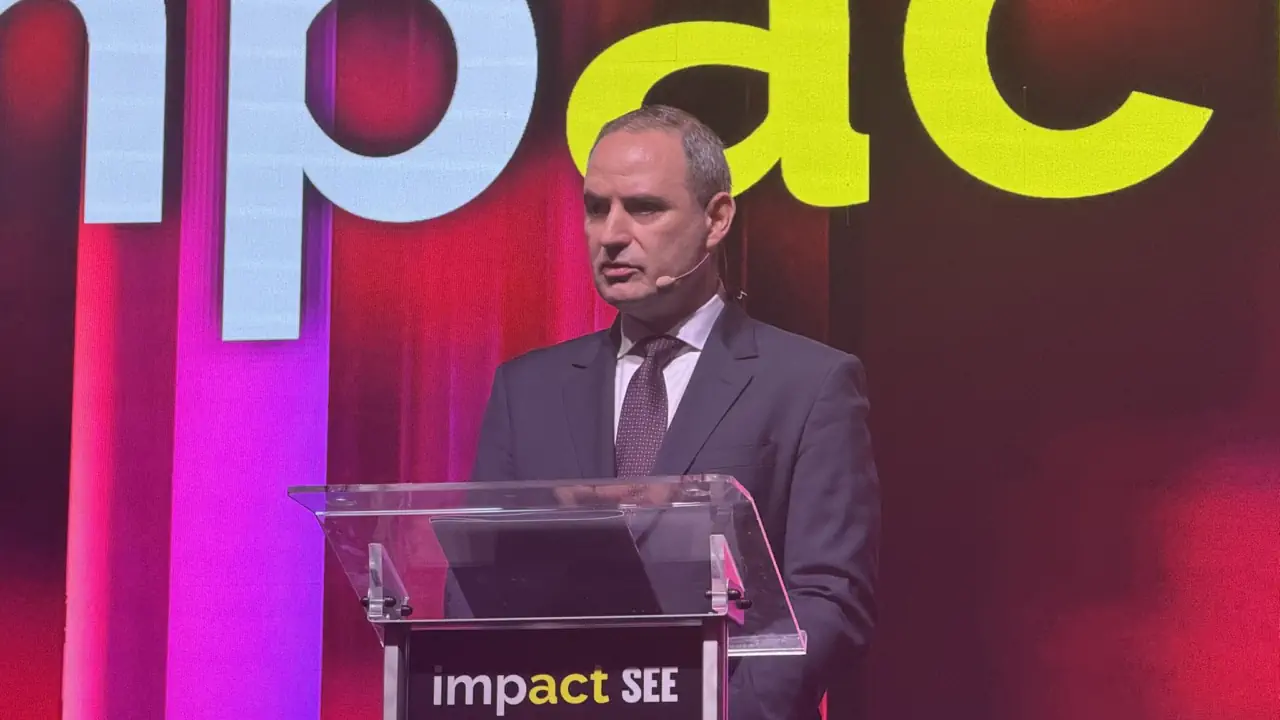
"This relaunch plan contains a series of support schemes. One of the most important support schemes looks at the industry. But it looks at it in a very different way than in the past, because we're planning to finance exactly those industries from which Romania suffers on trade markets. For next year we will have 150 million euros which will be directed to exactly those productive investments that Romania needs, and Romania is suffering a lot", Mr. Nazare said on September 29, the opening day of IMPACT SEE, the event mentioned at the top of this piece.
Poland, as of this year, has a billion-euro public-private program designed to scale up 250 startups, called "Innovate Poland." And it's not alone: other countries – think "Invented in China," "Design in India, Innovate in India," "Created in Vietnam, Designed in Vietnam," "Engineered & Innovated in Saudi" – are already gearing up to make the official leap beyond the humble "Made in..."