How can solar power be used when it's dark
Power day-trade claims the medal as this year's most profitable investment
The Chinese cut out the middleman, flocking to Romania in person to sell battery storage
 Lucian Davidescu
in Bucharest
Anyone smart enough to have bought industrial batteries a year ago – and used them to game the system, buying up dirt-cheap grid power during the day and selling it back at night for sometimes ten times the price – has either already recouped their investment or is about to. Few, though, saw coming the perfect storm that made those margins possible: severe drought and major grid imbalances colliding at just the right moment. With a modest installed capacity of just 2,300 MWh, the window of opportunity remains open for now. In the meantime, most of the profits are flowing across the parched Danube into Bulgaria, which moved much faster and now boasts 9,000 MWh of capacity – enough that Bulgarians are already bragging about cashing in on Romania's slow start.
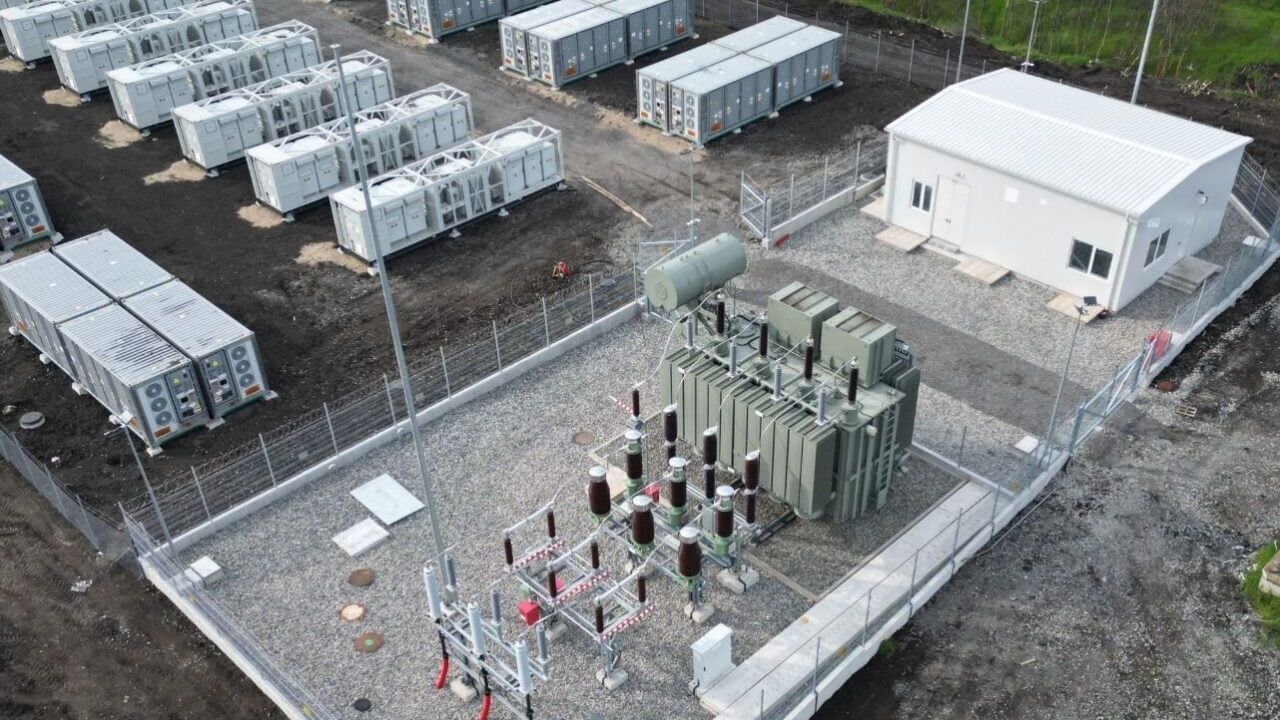
Just this summer, the largest battery storage facility in Europe with its 602MWh went live near Burgas, Bulgaria.
The market signal couldn't be clearer. Scaled proportionally, and with a bit of state support, Romania could realistically install 20,000 to 30,000 MWh over the next few years – translating into a market worth hundreds of millions of euros annually. Even just the ongoing public financing, with a total value of 650 million euros, for which projects can be accessed until the end of this october, should lead to the installation of 4.4 GWh of capacity, according to Startup Cafe.
The calculus, however, shifts depending on who you ask:
For energy producers – mainly solar and wind – the investment already makes solid economic sense and can be rolled out fast. Even once the current sweet spot fades, payback time sits at a reasonable 4-5 years, outperforming, say, your average real estate play.
Large prosumers, capped at 200kW of installed capacity and exempt from licensing red tape, are waiting on regulatory changes that would let them sell back to the grid at time-differentiated rates. But even before that kicks in, internal arbitrage already pencils out for some companies: buy cheap overnight power, store it, then burn through the battery during pricey daytime hours instead of pulling from the grid.
For household prosumers, it only makes sense if they can tap into subsidies from the new "Casa Verde" (Green House) program, which requires at least 12kWh of storage capacity. There's also the option of teaming up with a producer and trading a slice of storage capacity for a cut of the profits.
For homes or other consumption points without grid access – where connection costs can be brutal – solar-plus-battery setups are becoming increasingly viable as power prices climb and battery costs keep falling. And for anyone who's watched bombs plunge entire Ukrainian cities into darkness and worries about facing the same fate, this kind of investment is simply priceless.
On the supply side, things are far more straightforward. An opportunity this massive was never going to go unnoticed – so Chinese manufacturers didn't bother waiting to build out local partnerships the way they used to. They just showed up, in force.
"How many did you say? Thirteen?"
"No! Three. Zero. Thirty," corrects one of the CATL reps when a Standard reporter asks about the size of the delegation the world's largest EV and industrial battery maker sent to Bucharest. This marks CATL's first appearance at ExpoEnergy Bucharest, and its arrival has sent ripples through the entire market.
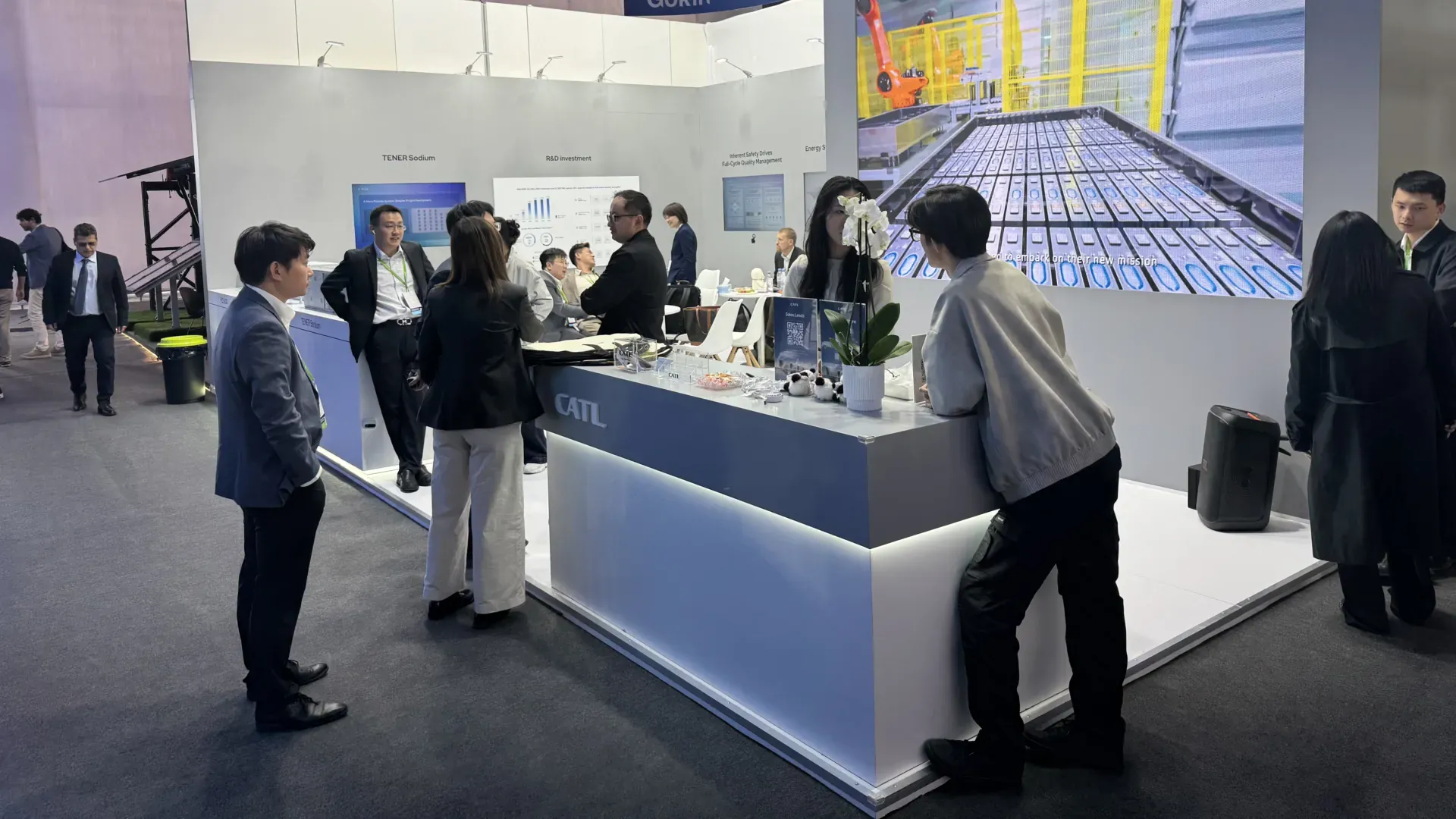
The company rakes in $60 billion a year – roughly three-eighths of the global market – employs 130,000 people, and runs 15 factories worldwide, the newest of which opened just a week ago in Debrecen, Hungary.
And that's just the tip of the iceberg. The number of Chinese delegates roaming the tarmac and hangars at Romaero last week ran into the hundreds – at least triple last year's turnout. Where Chinese firms once preferred to let local partners handle imports, they're now increasingly choosing to show up in person. At least 60 exhibitors flew in directly from China, filling nearly 30% of the booths, according to organizers.
All told, more than half the exhibitors were there to sell batteries – everything from tiny sub-1kWh units, barely enough to power a hairdryer, to containerized systems in the megawatt range.
For small-scale consumers, the big draw is modular systems that can be expanded later. Most fit comfortably under the 15,000-lei-per-12kWh cap set by the "Prima Casă" ("First Home") program, and some even throw in extras.
"People often oversize their systems and then have no idea what to do with all that extra capacity," says Cristian Vodă, an engineer at Romanian integrator SIMAI Technology, describing the most common buyer mistake.
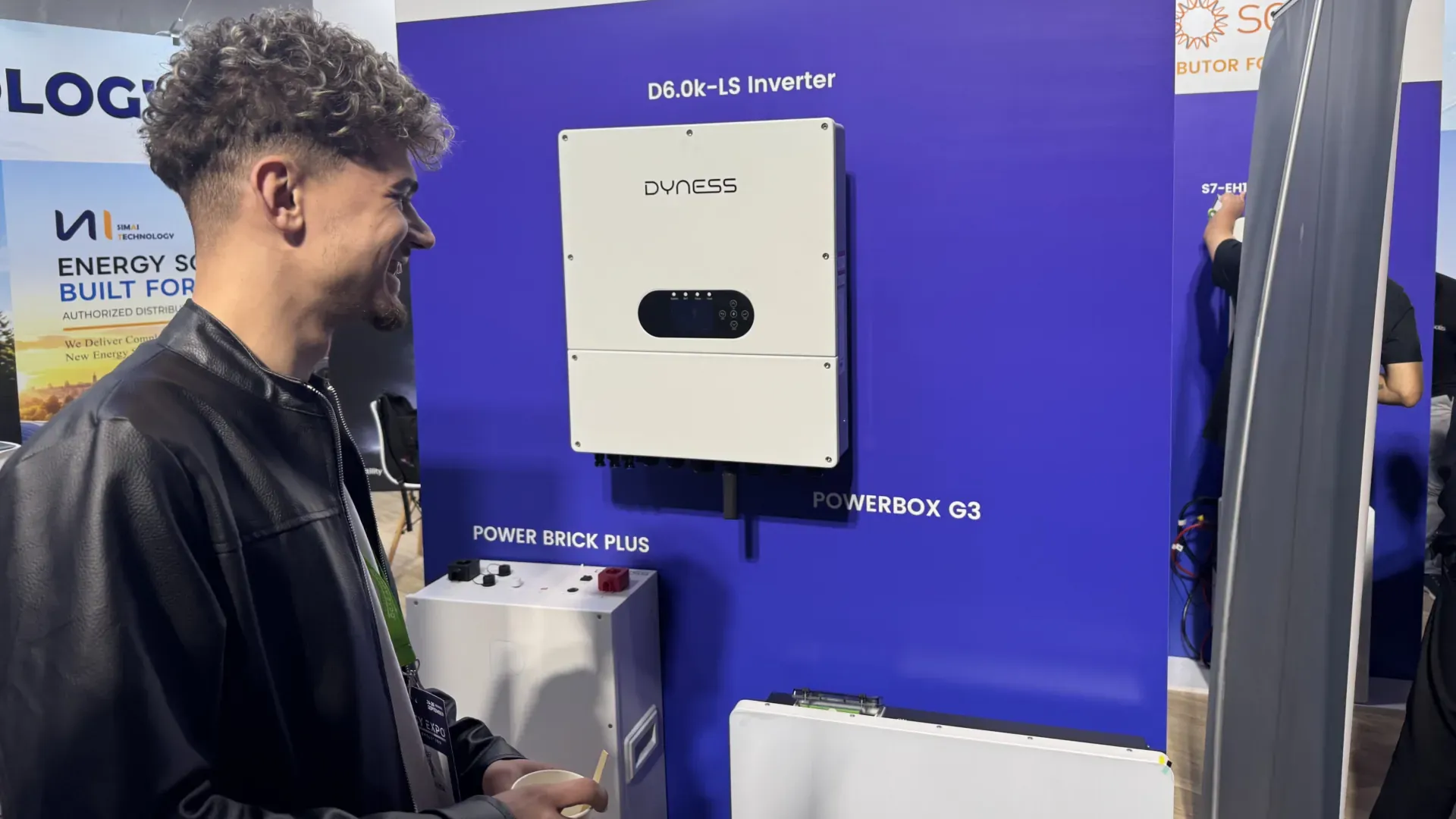
He also flags the latest "must-have" add-on: a modular inverter system controlled through ChatGPT, capable of crunching its own profitability numbers and deciding in real time when it's most profitable to sell power back to the grid.
George Skourlis, who sells integrated systems for Germany's Kostal – a country whose industry has been hit hard by the Chinese offensive – has a word of caution for buyers: insist on a 10-year warranty, not just five, or risk never recouping the investment at all. "I'm from Greece, where the actual payback period is three and a half years, so in Romania [with far fewer sunshine hours] it's definitely going to run past five," he explains.
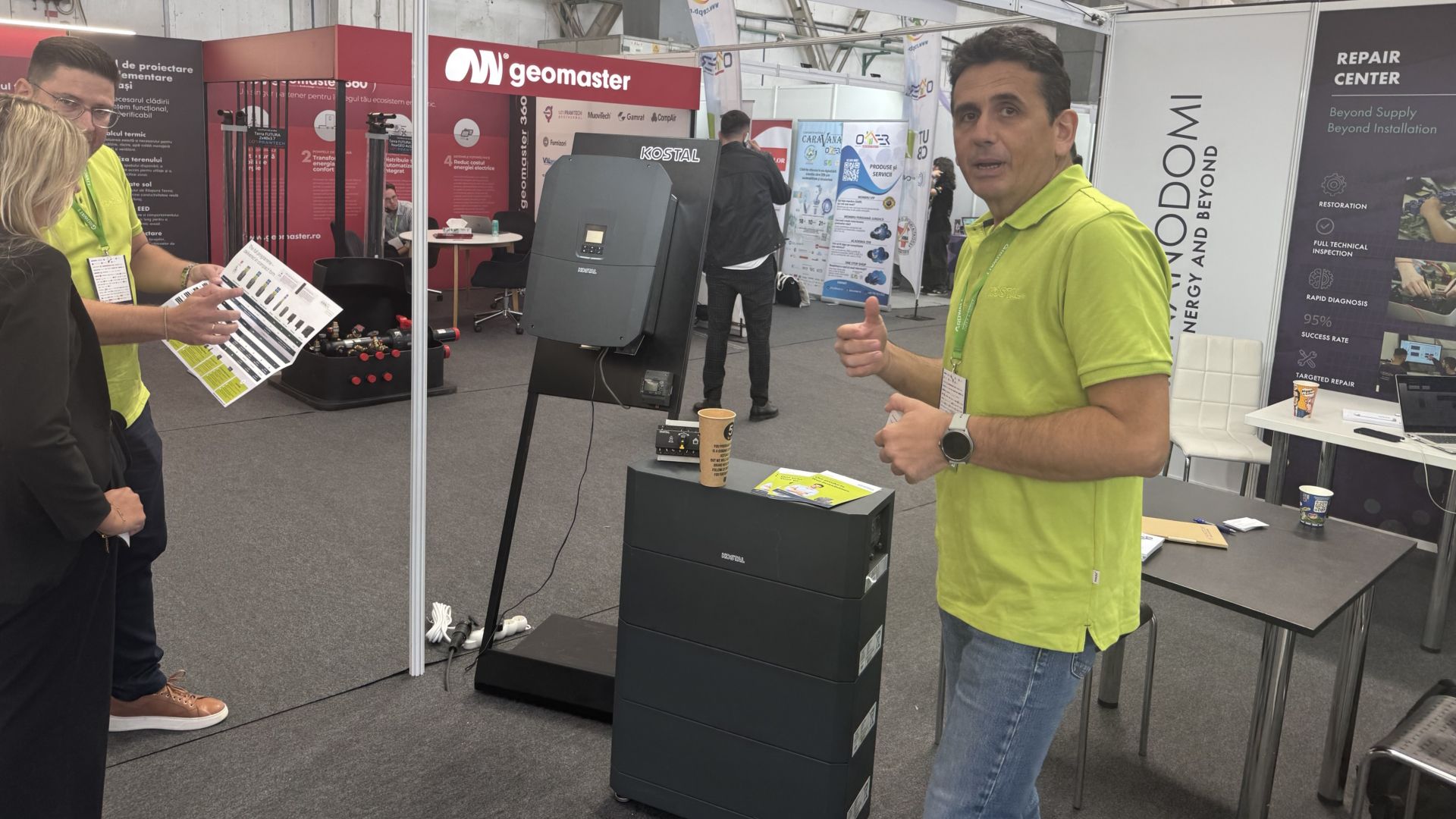
The sweet spot for efficiency lands with modular integrated systems in the 200-300 kWh range (with hourly output of 100-150 kW), priced between €30,000 and €40,000. Here, the cost per kWh gets about as low as it can go, connection to the 400V low-voltage grid is straightforward, and no special permits are required.
Junxiao Pan flew in all the way from Shenzhen – his second trip to Romania in just a few months – as a product manager for Growatt, to walk an audience through the mechanics of energy arbitrage. That audience, it turned out, was made up largely of his fellow countrymen.
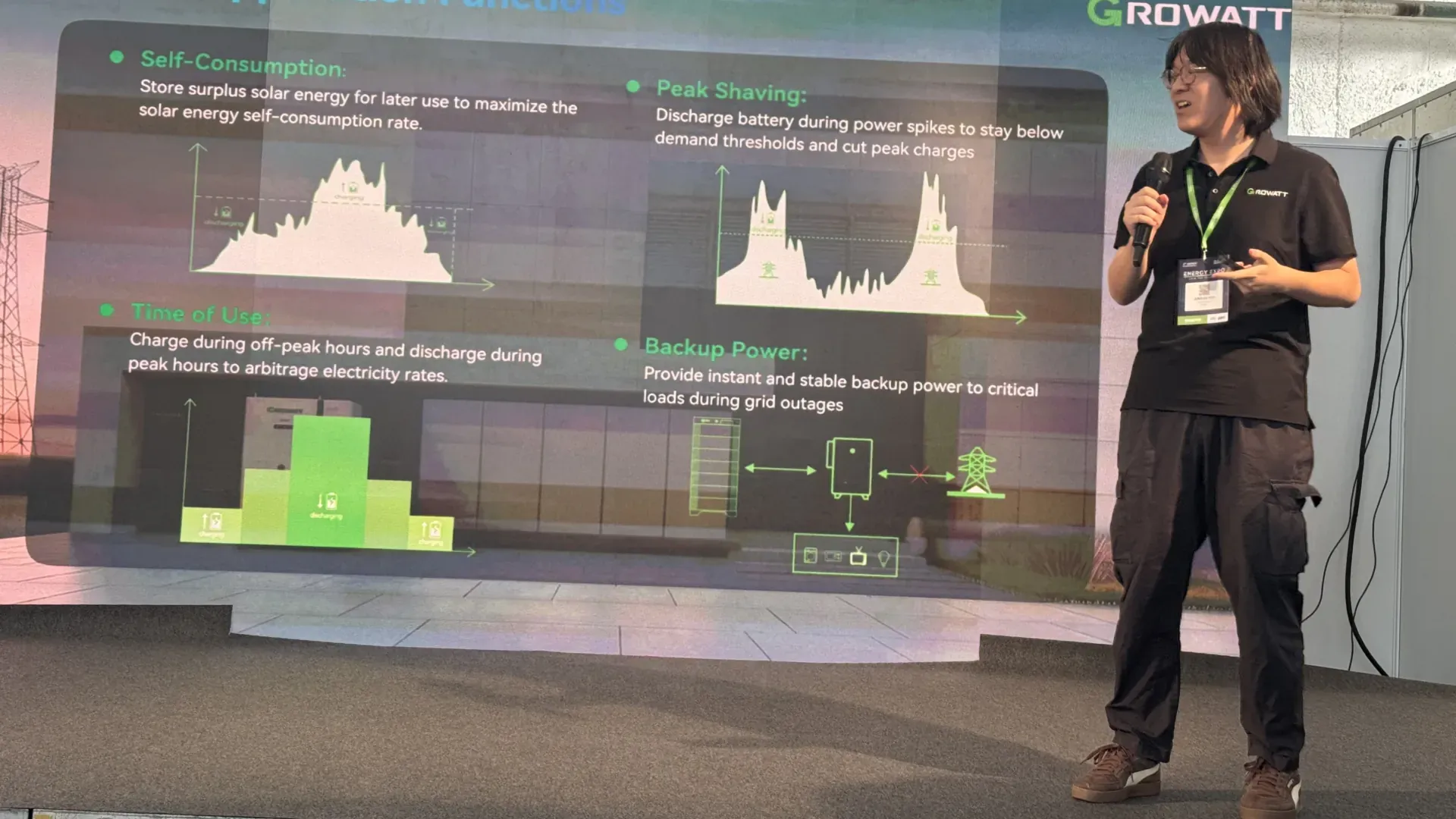
The most profitable strategy is "peak shaving" – using a modest local storage capacity to cover the handful of hours when electricity prices spike. That's how "Jesse" – the Anglicized business alias many Chinese delegates go by – puts it.
For larger investments, the typical payback period for batteries used in "peak shaving" or "load shifting" runs 3.5 to 4.5 years, according to a paper published last year by researchers at the Academy of Economic Studies. But various international case studies show that in "extreme" scenarios, the investment can pay for itself in under 12 months.
Still, the current gold-rush profitability – where investments pay for themselves in a year, a year and a half – won't last, warns Aurelian Pârâtu, CEO of Electrocarbon.
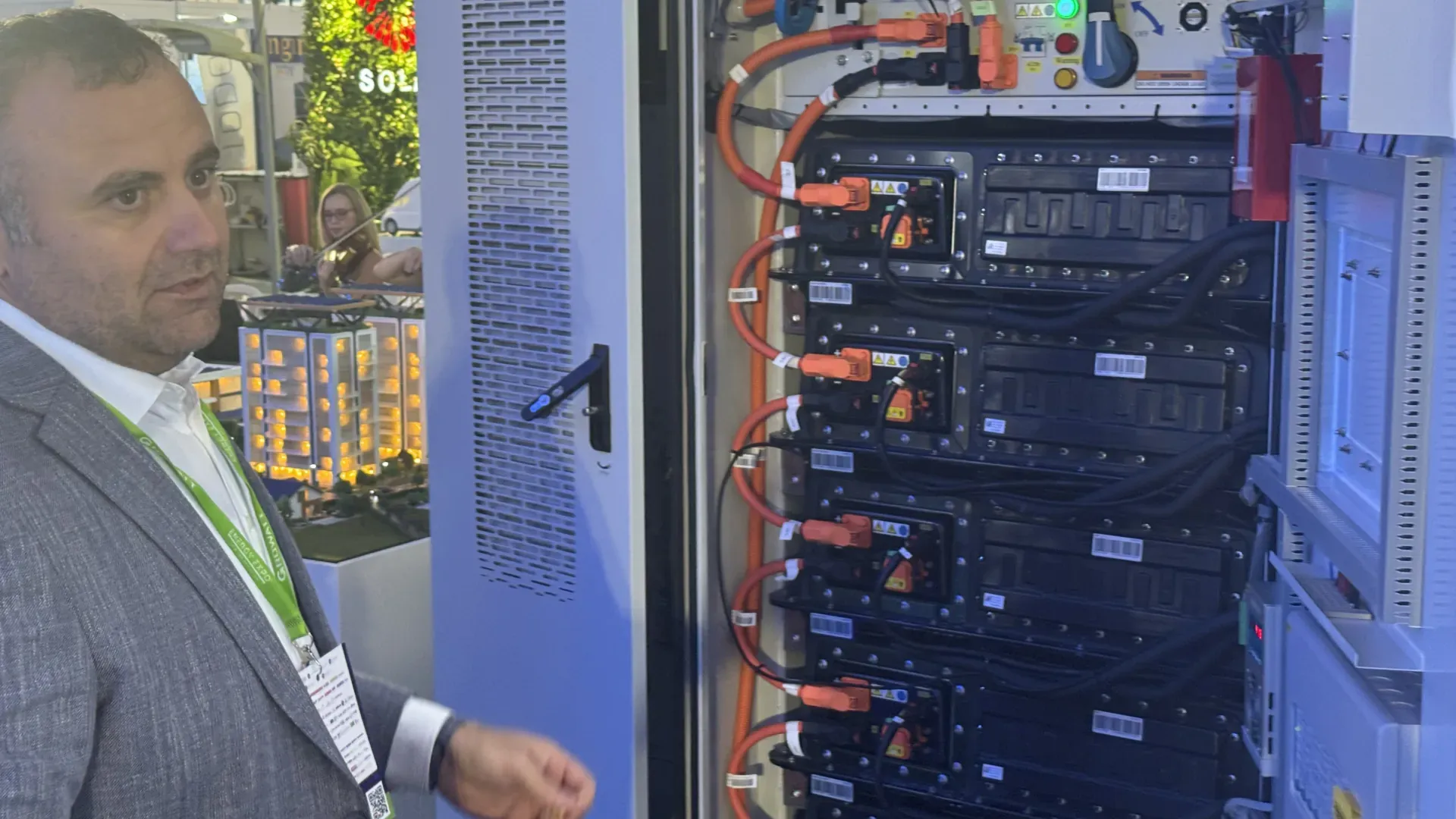
"For now profits are huge, but as installed capacity grows, the market will find its balance", he warns Standard readers.
Or, to put it in plainer terms: only make hay while the sun shines!